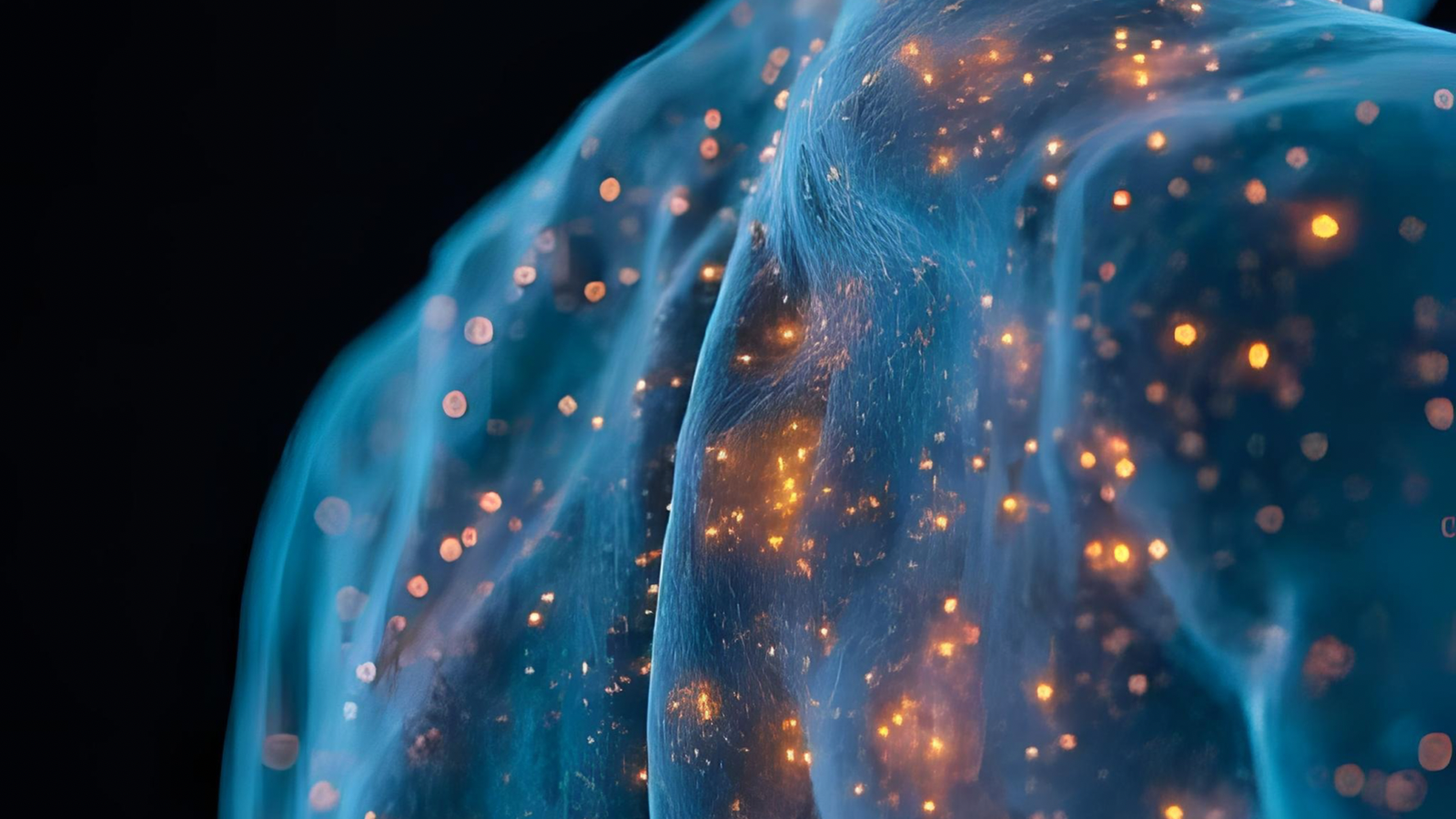
A groundbreaking scientific discovery by Japanese biologist Yoshinori Ohsumi has forever changed how we understand our bodies’ ability to heal and stay healthy. Ohsumi won the Nobel Prize in Medicine for uncovering autophagy — a natural process that acts as the body’s internal cleaning and recycling system.
What is Autophagy and Why Does It Matter?
Autophagy, meaning “self-eating,” is the way cells break down and recycle their damaged or old parts. When food is in short supply, cells don’t just sit around waiting. Instead, they clean house by converting worn-out components into energy, keeping the body alive and even making cells stronger for the future.
More Than Just Endurance
Ohsumi’s work revealed that autophagy isn’t just a survival tactic during fasting or starvation. It also plays a crucial role in long-term health, actively protecting us by removing potentially harmful, faulty cells. Without a healthy autophagy system, the risk of aging, cancer, and neurodegenerative diseases like Alzheimer’s increases.
Redefining Rest and Healing
Perhaps most fascinating, Ohsumi’s research showed that our bodies do some of their most important repair work during periods of fasting or cellular “rest.” It turns out, those quiet moments when we aren’t eating are when cells sweep out the old and make way for the new, helping us feel younger and stay healthier over time.
Yoshinori Ohsumi’s Nobel Prize-winning findings remind us: sometimes, the best healing happens when we simply give our bodies a break.